


Polish court approved extradition of a well-known Russian archaeologist to Ukraine. He is accused of illegal excavations in Crimea
His lawyer is already preparing an appeal to prevent the scientist's extradition.
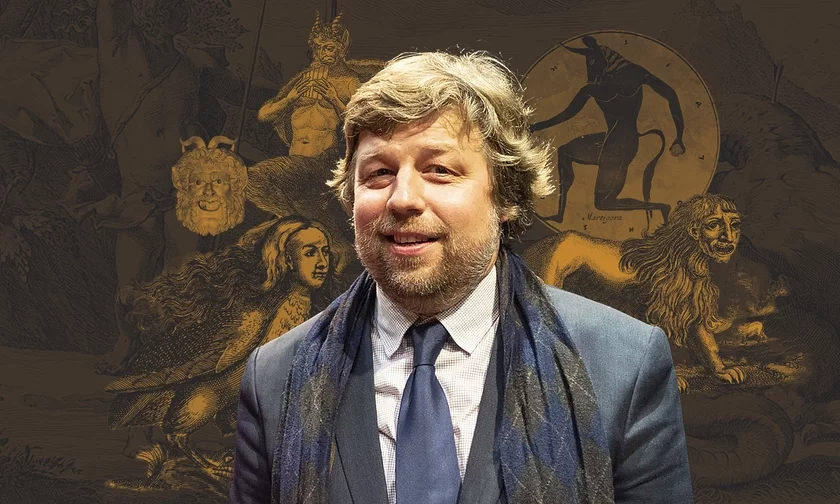
A Polish court has allowed the extradition of Russian archaeologist Butyagin from Poland to Ukraine. The Court of Appeal can annul or amend today's decision — or send the case for reconsideration. The maximum period of arrest in an extradition case is two years, writes BBC.
If the Court of Appeal approves the extradition of the St. Petersburg archaeologist, the case will go to the Polish Minister of Justice. He has the final say in extradition matters.
Alexander Butyagin is a well-known Russian scientist, an employee of the State Hermitage Museum, who holds the position of head of the Department of Classical Archeology.
He was detained in December 2025 in Poland at the request of the Ukrainian authorities.
At the heart of the case against Butyagin are excavations in Crimea after its annexation by Russia. Kyiv equates them to the destruction of monuments. The scientist does not deny that he conducted excavations without the permission of the Ukrainian authorities, but categorically disagrees with the accusation of destroying cultural heritage.
In an interview with the BBC, he said that he continued to work in Crimea after its annexation precisely to preserve the archaeological site: «Stopping the work would have affected the condition of the monument, which would have been left unsupervised to be destroyed due to natural causes, as well as due to the actions of vandals and looters.»
Butyagin is the first Russian archaeologist detained for excavations in Crimea, but far from the only one Ukraine suspects of violating the law.
This case is an important precedent. For the first time, scientific activity in occupied territories is qualified as a criminal offense, leading to a real arrest in an EU country. This applies to various Russian specialists (archaeologists, restorers, museum workers) who have worked in Crimea since 2014.


Comments