


Chairman of the Constitutional Court urges judges to speak Belarusian language. But what about encouraging them to give fair trial to political activists?

“The disrespect towards the state language is a serious offence”, stated Ryhor Vasilevich, Chairman of the Belarusian Constitutional Court during the seminar on international standards in human rights issues. “We often receive complaints that courts reject requests written in Belarusian language,” he said. “I have seen such a resolution myself: “Rewrite your request in a normal language”. According to the Constitution there are two state languages in Belarus – Russian and Belarusian. Therefore, such resolution of the court is disrespect towards the state language”.
“We have no problems and receive no complaints [about human rights abuse] in other fields, except language”, said Chairman of the Constitutional Court. He encouraged judges to use Belarusian language during trials if any party requests to do so.
A Belarusian-speaking judge is still something unheard of in Belarus. However, it is usually allowed to invite an interpreter if some participant of the legal proceedings desires to use the Belarusian language. Unfortunately, Mr. Vasilevich didn’t dwell upon the practice of such bilingual trials. Otherwise, he would have to mention, that these are usually people sentenced and fined for their political views, who demand the right to be able to speak Belarusian in court. Though granted the right to use their language during the process, they are mostly devoid of the right for fair trial in general.
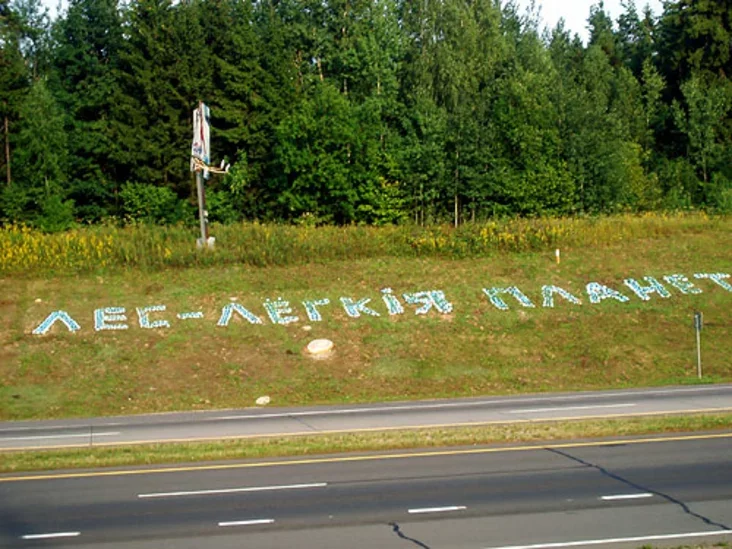
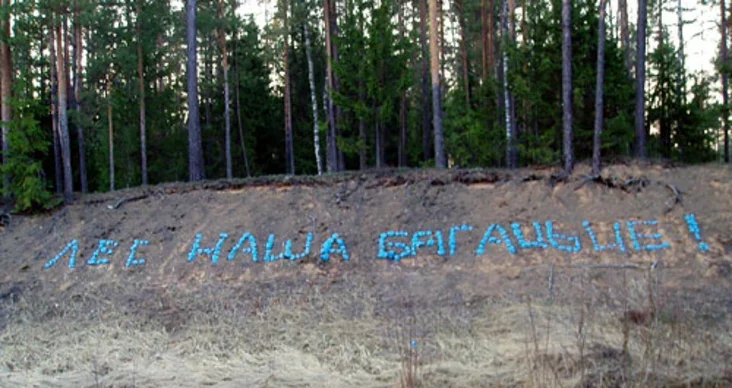
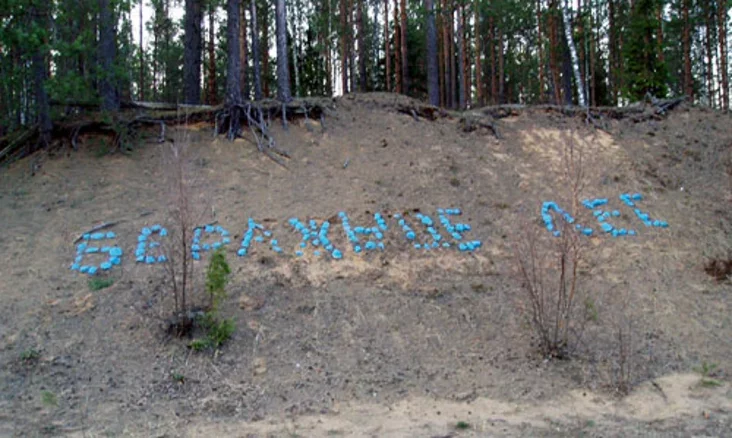
State officials eagerly mention the fact, that the speakers of both languages, Belarusian and Russian, have equal rights in Belarus. However, in practice the state regime suppresses the Belarusian language, which doesn’t fit into its ideological concept of the nation. Most of the time, people have to do what a state does not, for example – put the Belarusian signs “сьмецьце” (“garbage”) он the garbage containers in Minsk, or translate stone signs reading “Forest is our treasure” etc. into Belarusian.


Цяпер чытаюць


«Людзі каментавалі, што сальманела ўвайшла ў чат». Беларус паехаў працаваць у Крэмніевую даліну — і стаў кулінарным блогерам на 28 мільярдаў праглядаў


Каментары