


The price of Brent crude oil on Tuesday's trading dropped below $60 per barrel. Due to sanctions and falling global quotes, Russian oil is now selling cheaper than at any time since the start of the full-scale aggression, writes The Moscow Times.
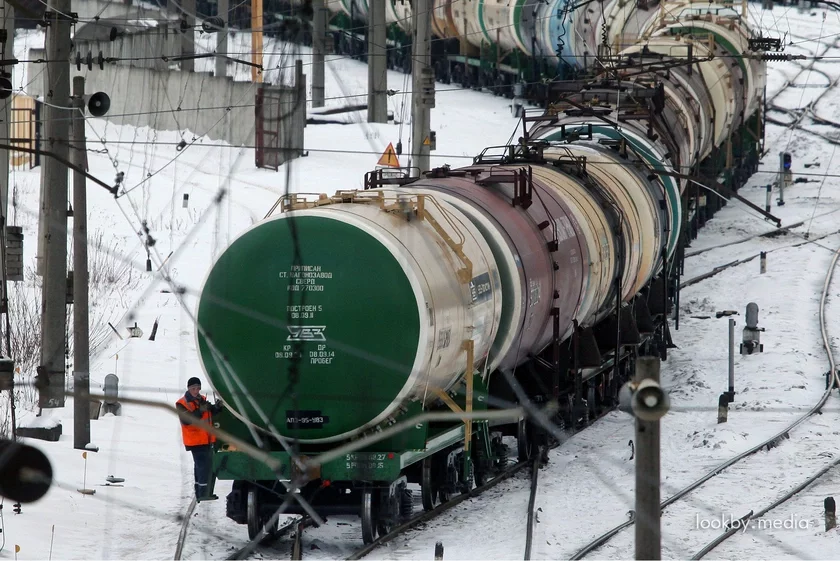
Photo: lookby.media
As of 3:00 PM Minsk time, Brent oil cost $59.7 per barrel, a decrease of 1.4%. This is the lowest level since 2021, with the exception of May 5, 2025, when it briefly dipped below $60 during trading, but closed above that mark. Trading for American WTI crude closed on Monday at its lowest price level since February 2021 — $55.83 per barrel.
One of the factors behind the recent price drop is the progress in peace talks regarding Ukraine.
"Oil continues to trade under pressure as today's news indicates a growing consensus on a possible ceasefire between Russia and Ukraine," said Rebecca Babin, senior energy trader at CIBC Private Wealth Group, to Bloomberg. "While a ceasefire will not lead to a sudden return of Russian oil to the market, it will significantly reduce the risk of future supply disruptions."
2025 was a year of falling oil prices: trading began at $74.6, and in January, Brent rose to $82 per barrel. The main reason was a significant increase in production, primarily as a result of a change in OPEC+ policy, which began to proactively increase production quotas from spring. As a result, a surplus formed in the market. In September, according to the latest data from the International Energy Agency (IEA), commercial oil stocks increased by 77.7 million barrels — the highest level since July 2021, and its stocks on water, in tankers, by as much as 80 million barrels.
In the first nine months of the year, stocks increased by 313 million barrels, or an average of 1.15 million barrels per day. The volume of barrels stored on tankers of Russia's shadow fleet is growing particularly fast: they often cannot find buyers for sanctioned oil for a long time or seek opportunities to transship it at sea to hide its origin.
The IEA forecasts a record surplus in the global market in 2026: the imbalance is growing as "supply is rising, while demand growth remains modest by historical standards."
Due to these factors, Russian oil is now selling even cheaper than in January 2023, after the entry into force of the European embargo and the price cap introduced by the G7. At that time, it was $60 per barrel, and this September, the EU and the UK (though without US support) lowered it to $47.6.
According to Argus Media, on average, Russian oil exporters now receive slightly more than $40 per barrel for shipments from Baltic and Black Sea ports, as well as the Far Eastern port of Kozmino, Bloomberg writes. Over the past three months, this price has fallen by 28% due to both declining global quotes and the imposition of US sanctions against Rosneft and Lukoil.


Comments
Каб чалавек, які пастаянна хваліцца тым, чаго зрабіў і чаго не зрабіў, пра такое і маўчаў бы. Ну-ну.
Но вопрос не решается - и люди продолжают гибнуть.