


«Buyers' Strike.» Chaly Predicted a Decrease in Apartment Prices
The analyst on Belsat's air stated that housing prices in Belarus have reached their peak and are about to start falling.
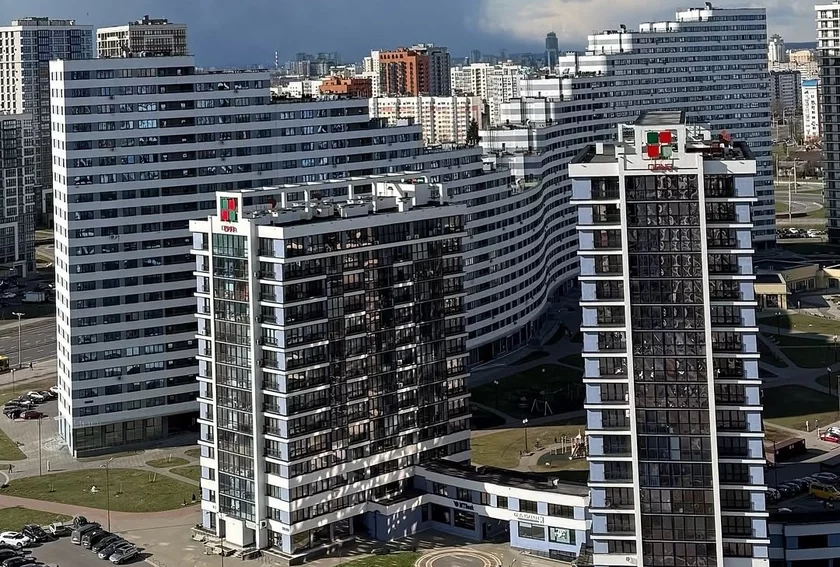
He noted a «buyer's strike» in the market, which will cause apartment sellers to make concessions.
The cost per square meter of housing in Minsk increased over the year (from January 2025 to January 2026) from $1636 to $2030, according to data based on real transactions, excluding rooms and shares, as well as transactions with non-market prices.
At the same time, this January saw a sharp drop in the number of apartments purchased — compared to both December and January of last year.
Another feature of the Minsk real estate market in recent months is the decrease in supply. If at the beginning of October there were more than 17,000 apartments for sale, now, at the beginning of March, there are only 7,000.
Sergei Chaly called the lull in the market a «buyer's strike,» which occurred along with a reduction in supply:
«What we are seeing now, this maximum — most likely, these are the first signs that this market is overheated. It is quite possible that we will see a decrease not by single digits, but maybe even by double-digit percentages.»
The expert drew attention to the fact that apartments are not always sold at the price set by the seller. It is one thing when real estate is taken for oneself, and another when money is simply invested in housing, that is, the deal, roughly speaking, is not urgent. It is these investment buyers who can bring down prices.
The logic is this: if an apartment put up for sale does not sell for a long time, the seller lowers the price. As Chaly said, a few deals are enough to trigger a chain reaction. The only question is who will crack first: the sellers, who want to close the deal faster, or the buyers, who are lying low in the hope of lower prices.
«If I am right, then after prices start to fall, you will see even fewer buyers, because why buy today what will be even cheaper tomorrow? It works exactly the same as with growth, only in reverse,» Chaly concluded.


"They see Belarus as part of Russia." What the rise of "Alternative for Germany" means, how far it can go, and how Belarusians should position themselves


Comments