


Diplomats and traders doubt that the negotiations can lead to a real agreement.
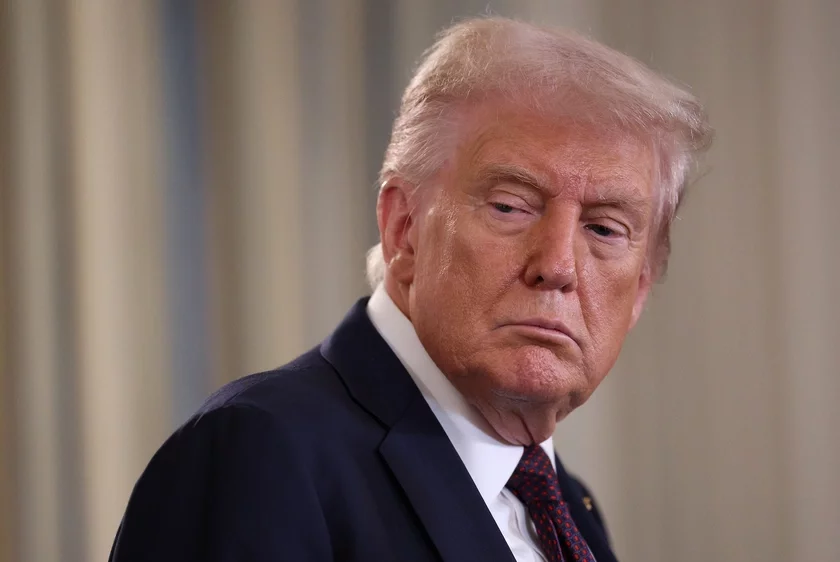
Photo by Win McNamee/Getty Images
US President Donald Trump's decision to back down from the threat to destroy Iran's energy infrastructure and open negotiations was made after US allies and Persian Gulf countries privately warned him of the dangers associated with carrying out that threat. This is reported by Bloomberg, citing its sources.
Some allies warned Trump that war would quickly turn into a disaster.
Regional partners informed the US that irreversible damage to Iranian infrastructure would almost certainly lead to the collapse of the state after the conflict ends.
Backing down from threats to Iran also coincided with another presidential interest: calming markets that had been rattled by his statements and the prolonged conflict.
Trump's decision, announced shortly before the start of trading on the American market, was partly aimed at alleviating these fears, sources claim, and immediately caused a sharp drop in Brent crude oil prices and a rebound in the S&P 500 index and US Treasury bonds.
According to a senior diplomat working in the region, in the days leading up to Trump's statement, the most active unofficial communication channels with Iran were those organized by Turkey and Oman, and, according to another, messages were conveyed through Riyadh, Delhi, and Cairo. However, it is unclear what impact these discussions had on Trump's decision.
Other countries also confirmed holding talks with the US after Trump's threats.
UK Prime Minister Keir Starmer stated that his government had been informed of talks with Iran: «European allies, in particular, are concerned about what a prolonged conflict in Iran could mean for the resources and attention devoted to the war in Ukraine».
However, Iran's Ministry of Foreign Affairs denied any talks between the US and Iran, claiming that the US President's statements are fake news, «used to manipulate financial indicators and oil markets».
«Trump's practice of backing down from maximalist threats, Iran's own practice of delaying nuclear talks, and recent examples of the US using negotiations with Tehran as a distraction before new military actions lead diplomats and traders to doubt that talks can lead to a real agreement,» Bloomberg notes.
At the same time, there is a risk that the pause may ultimately validate Iran's approach, especially if the talks do not succeed.
«This risks confirming in Tehran's mind that if it threatens in response, especially energy in the region, it can compel the US to back down,» said Jonathan Panikoff, former deputy national intelligence officer for the Near East at the US National Intelligence Council. — «In his view, Iran is not only winning but also taking actions that strengthen its own deterrence».


Comments
1979 Вайсковая аперацыя вызвалення закладнікаў з пасольства ЗША у Тэгеране пайшла ні па " сцэнары "
Выннік Паразка Картэра на выбарах
Перамовы Рейгана з Іранам аб вызваленні
Зараз ўсё пайшло ні па сцэнару массада які Нетаньяха падсунуў Трампу і скончыцца....невядома калі і як..
Папярэднія вынікі Трамп ЗША страцілі на БУсходзе у ЭЗ