


The number of trials for political criminal cases has decreased significantly
Over the past three weeks, 13 people have been added to the list of "extremists", although previously, over the same period, there could have been a hundred political prisoners.
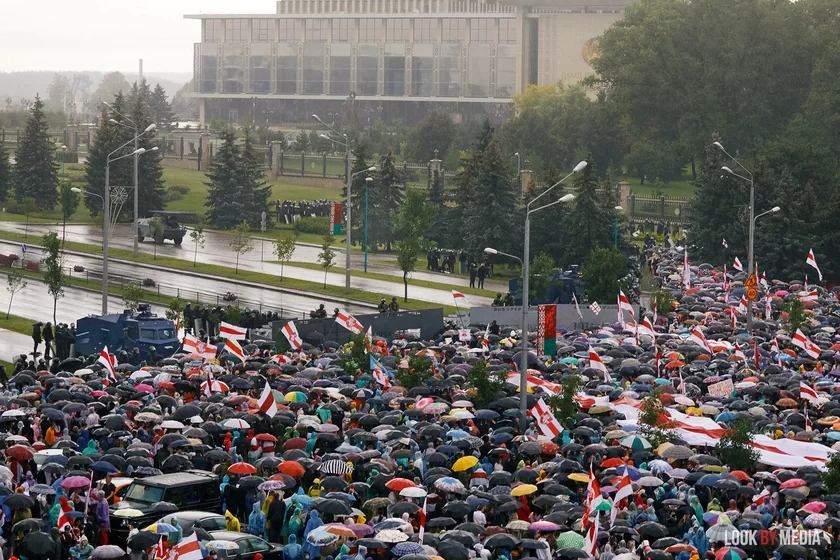
The police list of "extremists" is one of the important indicators of the level of political repression in Belarus. When a person is convicted under one of the "extremist" articles, after the verdict takes legal effect, their name is soon added to the list. This means that the person will face restrictions – their bank accounts will be more closely monitored, and they themselves will be prohibited from working in certain areas.
There is a specific list of criminal articles in the legislation that fall under the definition of "extremist". Almost all those convicted under these articles are declared political prisoners by human rights activists. Usually, only people convicted for the rehabilitation of Nazism (if their indictment does not contain other political articles) do not receive such status. There is also the opposite exception – those convicted for treason, espionage, and agency activities usually do not end up on the list of "extremists", but depending on the circumstances of the persecution, they often receive political prisoner status.
The list of "extremists" is updated weekly, but information enters it with a certain time lag – depending on whether the prisoner filed an appeal. If a person is given "home chemistry" (restricted freedom with supervision), they usually do not appeal the verdict, so they enter the database approximately half a month after the trial. If a person is sentenced to a penal colony (and sometimes "chemistry" with referral), they most often file an appeal to prolong the process. In this case, they will be added to the list of "extremists" approximately two to four months after the first trial – only after the appeal is concluded.
The Ministry of Internal Affairs began maintaining its list of those repressed in criminal cases in 2022. But analyzing the first few months makes no sense – previously convicted individuals were added there.
From 2023, the number of added "extremists" by month looked like this:
- January 2023 — 107
- February 2023 — 117
- March 2023 — 150
- April 2023 — 117
- May 2023 — 110
- June 2023 — 123
- July 2023 — 94
- August 2023 — 134
- September 2023 — 138
- October 2023 — 87
- November 2023 — 95
- December 2023 — 111
- January 2024 — 85
- February 2024 — 80
- March 2024 — 113
- April 2024 — 79
- May 2024 — 108
- June 2024 — 71
- July 2024 — 85
- August 2024 — 114
- September 2024 — 101
- October 2024 — 118
- November 2024 — 120
- December 2024 — 94
- January 2025 — 92
- February 2025 — 90
- March 2025 — 98
- April 2025 — 140
- May 2025 — 114
- June 2025 — 124
- July 2025 — 93
- August 2025 — 117
- September 2025 — 141
- October 2025 — 125
- November 2025 — 100
- December 2025 — 106
- January 2026 — 77
- February 2026 — 127
- March 2026 — 95
- April 2026 — 130
- May 2026 — 72
- June 2026 — 95
- July 2026 — 66
- August 2026, first half — 8.
As the table shows, usually about 100 new people were convicted each month — an average of 20-25 people per week, depending on how many updates were released during the month.
There was a period when the largest share of new "extremists" were added for participation in protests; after that, those convicted in the Gayun case followed consistently.
Noticeable changes occurred at the end of July 2026:
- July 24, 2026 — 12 people added,
- July 31 — 5 people,
- August 7 — 4 people,
- August 14 — 4 people.
There is no exact reason why the number of new "extremists" has decreased so much.
The hypothesis that someone is convicted for political reasons but not included in the list of "extremists" to avoid spoiling statistics is not confirmed. All known political prisoners, recently convicted, known to the Editorial Board, were immediately included in the police database.
It appears that with the end of the main phase of persecution in the Gayun case, the number of trials for political criminal cases has indeed decreased for natural reasons – the remaining "Gayun members" are currently being sentenced, commentators are still being tracked down and punished, but overall, the political field has been cleared.
At the same time, it is not appropriate to talk about the cessation of repression – there are still 700-800 political prisoners behind bars, and daily reports of arrests for disseminating "extremist" materials continue to emerge.
Now reading


Tragedy in Borisov Hospital: patient's granddaughter says he received attention after six hours, when foam was already coming from his mouth — he died


Comments
Пішу як зацікаўлены эмігрант праз гэтую ж справу. У лепшыя часы агучвалі колькасць 30 тысяч унікальных інфарматараў, а зараз праваабаронцам вядомыя літаральна сотні асуджаных; нават у спісе вышэй з лютага 2025 у суме 1828 чалавек, і не ўсе яны па справе Гаюна. То бок, маштаб несупастаўны. Разнявольвацца не варта.