


Trump Administration Considers Creating a 'Peace Council' for Ukraine Based on Gaza Model
It should be headed by the US President himself.
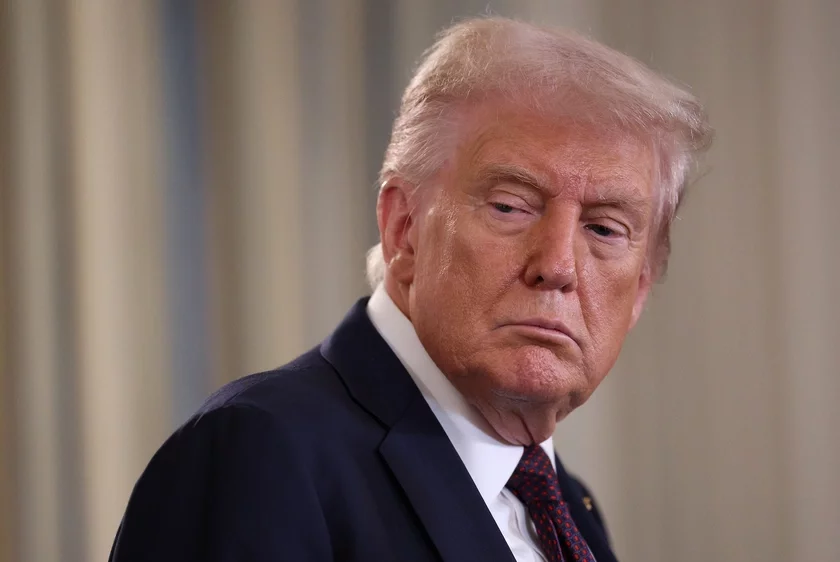
Photo: Win McNamee / Getty Images
The British newspaper Financial Times reports that the administration of US President Donald Trump is considering the possibility of creating a 'Peace Council' that could oversee the implementation of a future agreement on ending the war in Ukraine.
The 'Peace Council' is part of a peace plan for the Gaza Strip, agreed upon with Trump's mediation. This body, which Trump himself is expected to lead, would coordinate the future governance of the Palestinian enclave.
According to a high-ranking Ukrainian official involved in negotiations with the US, the creation of a 'Peace Council' for Ukraine (which would also be headed by the American president) is an "important part of proposals aimed at ending Russia's war".
According to the FT's interlocutor, the council should include representatives from Ukraine, Europe, NATO, and Russia, and its task would be to guarantee the implementation of the future peace plan and monitor its observance.
There are currently no indications that Russia is ready to agree — or even seriously discuss — the 20-point peace plan agreed upon by the US, Ukraine, and its Western allies. Moscow insists on territorial concessions from Ukraine, while Kyiv considers these demands unacceptable.
As the FT writes, citing its sources, the Trump administration is also considering the idea of applying the 'Peace Council' scheme to end other conflicts, including those in Ukraine and Venezuela.
According to the publication, this plan could be presented at the World Economic Forum in Davos, which will take place next week.
However, Western and Arab diplomats express concern regarding this idea, the publication notes.
One FT interlocutor, familiar with the US proposals, stated that, in the opinion of some, the Trump administration views the 'Peace Council' "as a potential replacement for the UN… a kind of parallel unofficial body for resolving other conflicts, not just in Gaza."


Comments