


"Someone Unknown Was Riding at My Expense." A Belarusian Woman Noticed Money Being Debited from Her Polish Card for Other People's Taxi Rides in Tbilisi
Minus 12 zlotys for a taxi ride in Tbilisi. Seeing such a notification in her Polish bank's mobile app, Maryna (name changed) thought there had been a mistake. She herself lives in Białystok and hasn't been to Georgia for a very long time. But it soon turned out that she had paid for yet another trip. Seriously frightened, the Belarusian woman began to fight with the unknown passengers. She told the publication Most how she managed to solve the problem.
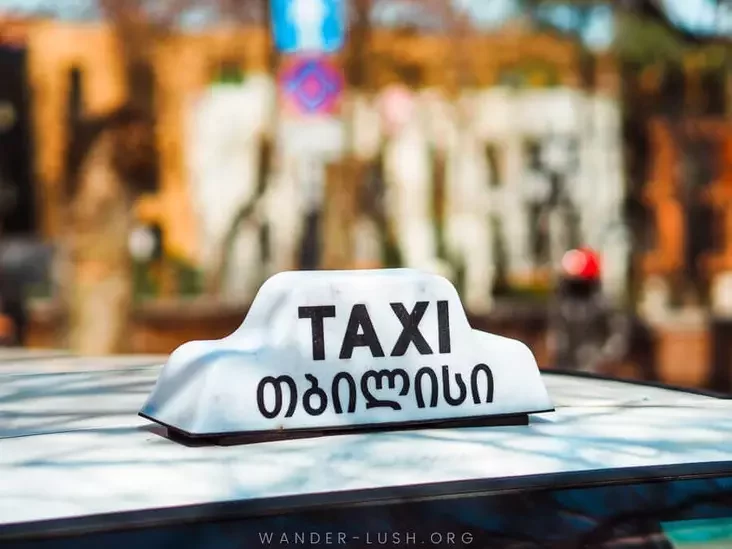
Frightened That Scammers Would Steal 8,000 Zlotys
Maryna once actually lived in Georgia. She left Belarus for Georgia in 2023 and spent three months in that country. After that, she obtained a Polish visa and moved to Poland.
In Georgia, she had a Bolt taxi service account linked to a Georgian phone number. Later, she changed her phone number to a Polish one.
Maryna ignored the first notification from the Polish bank PKO. But a couple of hours later, an unknown person again used taxi services in Tbilisi. This time, about 8 zlotys were debited from Maryna's account.
"The sum is small, but the situation alarmed me. How did people in Georgia get access to my Polish account?" — the Belarusian woman wonders. "Besides, there was a little over 8,000 zlotys in my account. I was afraid that if the scammers had access to my accounts, they would withdraw the entire amount."
Daviti and Artasha Were Driving Someone Around
The same day, Maryna withdrew all money from the account and contacted Bolt support. She described the problem and asked how the service could have debited money for rides she hadn't taken.
"Support responded very slowly — one message every three to four hours. They asked me to send them a statement from my online banking, which would confirm the debiting of funds. As further evidence, I attached the emails (messages from the Bolt service. — Note by Most) that I received in my email. It was clear there that drivers Daviti and Artasha were driving someone unknown around Tbilisi at my expense."
Someone Ordered a Taxi in Georgia — and Lowered the Account Owner's Rating
While Maryna waited for a response from support, she told her acquaintances what had happened. It turned out the problem was not so rare.
"My friend has a Lithuanian bank card. One day, money was debited from it because someone, again in Georgia, ordered a Bolt — moreover, after the trip, the account owner's rating decreased. My friend advised to unlink the number from the service and thus solve the problem," Maryna recounts.
But this option seemed ineffective to her. Maryna didn't understand the connection between the Polish number and the debiting of funds from her Polish card.
"Probably, the problem is either with the Bolt service itself or with a leak of my card data," she speculates.
Then the Belarusian woman began searching online for information about similar cases and how card owners dealt with the problem.
Most stories were related to Lithuanian banks — their clients complained that taxi services were debiting money for rides they hadn't taken. Support was not really helping them, and the police advised blocking the card.
"Some Georgian Wanted to Take a Ride in Tbilisi Again"
Maryna initially didn't want to block the card — she still hoped that the debits would not repeat.
"In PKO online banking, I set limits for online transactions, and in the Bolt app, I enabled two-step verification. It seemed I had secured myself. But two days later, some Georgian wanted to take a ride in Tbilisi again. However, it didn't work out for him — the set limits kicked in. The unknown person tried to call a taxi several times," says Maryna.
Although this time there were no losses, the girl was frightened. She went to the bank to sort it out.
"The Card Could Have Been Scanned Somewhere"
PKO could not find out how the unknown persons gained access to her card. But they speculated that the card "could have been scanned somewhere."
Maryna has a different opinion.
"I almost never use a physical card — I pay with Apple Pay. Therefore, I find it hard to believe the 'scanning' card version. I blame myself for connecting to unprotected urban Wi-Fi networks and paying with my card on marketplaces. It's likely that a data leak could have occurred through this," the girl suggests.
The bank told her to urgently block the card and issue a new one to the same account. Five days later, Maryna received a new card — so far, no suspicious debits have occurred.
"When the old card was already blocked, Bolt asked me to rate the level of support I received. I gave it a one," Maryna doesn't hide her emotions.


Comments
1) нехта змяніў як рэйтынг у праграме Bolt;
2) Bolt ведае яе электронную пошту і адсылае ёй паведамленні аб паездках.
Тое, што паставіла двухэтапную верыфікацыю, магло яшчэ не паўплываць на карыстальніка ў Грузіі, у якога праграма ўжо стаіць на тэлефоне.
Варыянты:
1) Нехта ў Грузіі купіў яе былы тэлефонны нумар і зайшоў у Bolt па смс. Гэта адбылося яшчэ да таго, як яна змяніла нумар у Bolt на польскі.
2) У Bolt можа быць памылка, якая дазваляе заходзіць па старому нумару акаўнта, хоць ён ужо і зменены.
3) Была ўцечка даных акаўнтаў Bolt.
Гэтая прывязка да тэлефонаў нічога добрага не нясе.
Пры змене нумара думайце пра перанос або выдаленне даных з усіх сэрвісаў, якія былі да яго прывязаны. Пры адсутнасці 2 фактару новы ўладальнік нумара аднавіць доступ да вашых даных праз смс.
Проста калі ў ЕС потым штрафуюць кампаніі на мільёны, тое ў Грузіі ўсё неяк выбачэннямі абыходзіцца.