


Morocco introduces quotas for women and youth in parties after "Generation Z" protests
Two months after massive demonstrations rocked the kingdom, parliament adopted a package of laws aimed at improving political representation. New norms introduce quotas for women and youth, as well as financial incentives for their participation in politics.
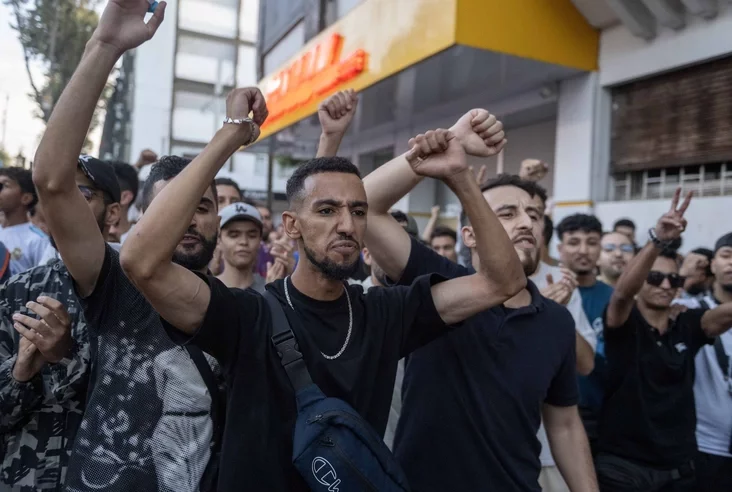
In Morocco, authorities are trying to respond to "Generation Z" protests by changing the rules of the game in politics. After mass actions, which from late September to early October brought the "Generation Z 212" movement (the numbers refer to the country's phone code +212) onto the streets of Rabat, parliament approved a series of draft laws that are supposed to improve the representation of youth and women in political life. Le Monde writes about this.
The protesters — predominantly young people — gathered outside parliament demanding greater social justice and a real fight against corruption. At the peak of the wave, they even demanded the resignation of the government and Prime Minister Aziz Akhannouch.
To calm the streets, the authorities initially approved additional budget expenditures for education and healthcare in mid-October. However, the main response to political demands came in the form of laws adopted in early December.
New rules oblige political parties to allocate at least 30% of seats in governing bodies for women and 10% for youth under 35. A system of incentives has been introduced: each seat won by representatives of these categories increases the party's state funding sixfold. Otherwise, parties risk losing reimbursement for campaign expenses.
Furthermore, to restore citizens' trust, the state is ready to cover 75% of expenses for independent candidates, as the trust rating in traditional parties is critically low.
Sociologists note that these changes have been prepared for a long time, but youth protests accelerated the process before the 2026 elections. However, the activists themselves are skeptical.
Young people interviewed by the publication called these measures "cosmetic" and "symbolic." In their opinion, the crisis of trust is caused not by the age or gender of politicians, but by the closed nature, opacity, and corruption of the system itself. As Le Monde notes, the country faces the task not only of changing the rules but also of convincing an entire generation that politics can have meaning.
-
Thailand's Prime Minister stated that the war with Cambodia will continue
-
Celentano, Beyoncé, Lady Gaga and even "Laskovy May" — what's on Nikol Pashinyan's playlist
-
Italy, Bulgaria, and Malta supported Belgium in demanding to seek an alternative to a "reparations loan" to Ukraine using Russian assets


Comments
Амаль як у СССР, там было нешта падобнае.