


Grapefruit, Persimmon, and more at Komarovka. How to choose tangerines correctly?
Bright pyramids of tangerines immediately attract attention among the winter rows. Prices vary noticeably — from 5.9 to 25 rubles per kilogram.
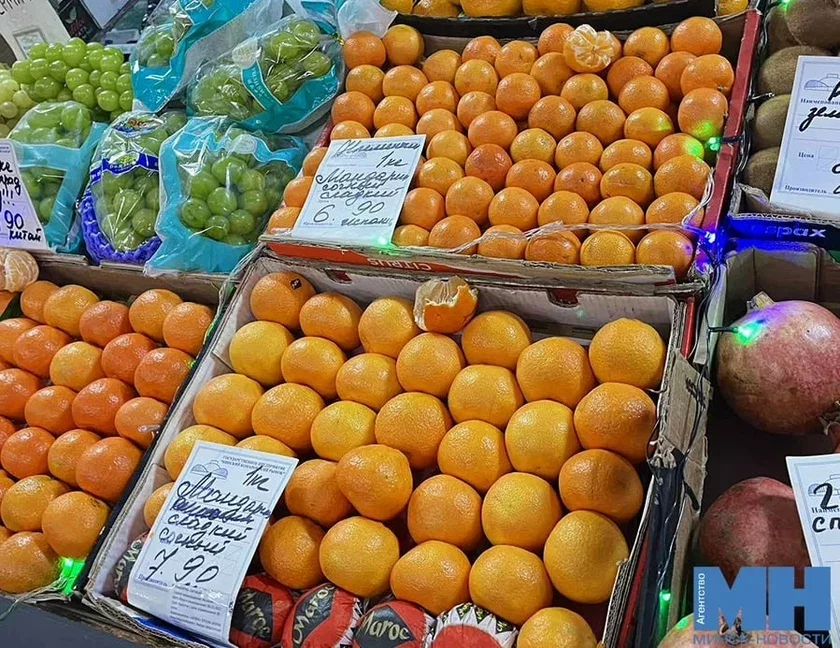
One could taste tangerines for 5.9 and 11.9 rubles. The first option turned out to be dense, with a distinct sourness and a thick peel. The second was more fragrant, with soft segments and a rich sweet taste, Minsk-news writes.
Seller Mikhail explained the difference simply:
— Cheaper tangerines are picked earlier: they are firm and keep well, but their taste is not as bright. Those that are more expensive ripened longer on the tree, so they are sweeter and more fragrant. They are often bought for holidays or as a gift, — he explained.
According to the man, when buying, one should pay attention to the color and peel. Ripe and sweet tangerines are usually bright orange, without green spots, with a smooth and thin peel that easily separates from the flesh. Too pale or, conversely, with dark spots, fruits may be unripe or have been sitting for a long time. If you gently squeeze the fruit in your hand, it should be firm, but not "rock-hard." Another good sign is a distinct aroma: the stronger the smell, the better the taste will be.
However, the choice of citrus fruits is not limited to tangerines. Nearby on the counters are oranges — large, bright, and no less popular in winter. Depending on the variety and size, the price ranged from 3.5 to 20 rubles per kilogram, with options around 6–10 rubles being most commonly bought.
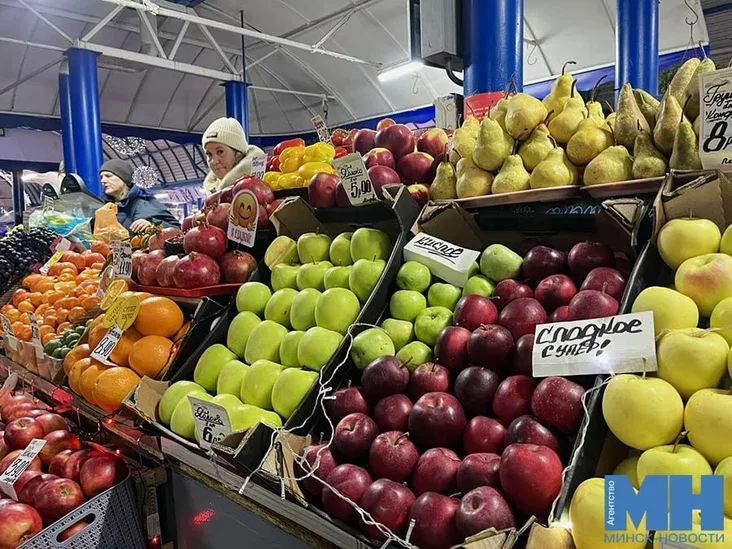
— There are simpler oranges, usually taken for juice, while the larger ones are for the table, — the seller said.
Grapefruits are offered at 9.5 rubles, lemons — from 4.9 per kilogram. Blueberries stand out separately — from 85 rubles.
— The berry is firm and sweet. The high price is due to import and fresh arrival, — explained the woman behind the counter.
A little further on — a wide selection of persimmons from 3.9 to 35 rubles per kilogram. There are several varieties on the counters, differing in shape and color.
— Soft persimmon is the sweetest; I eat it plain. I take the firmer one for salads or slicing, as it holds its shape, — shared a customer.
The vegetable rows are no less diverse. Cabbage, beets, and carrots cost from 0.99 to 3 rubles, potatoes — from 1.5.
— Vegetables are consistently in demand, especially on weekends people come to stock up, — noted the seller.
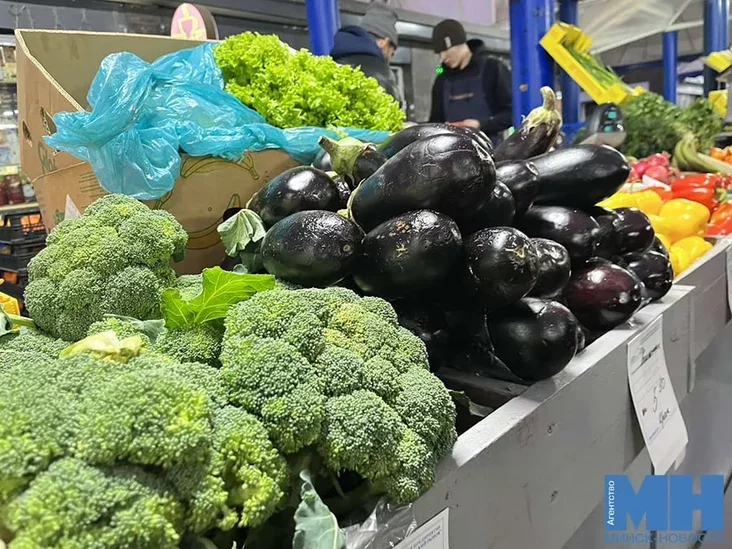
Zucchini can be found for 2.9, eggplants — from 5.5, cucumbers — from 5.9, peppers — from 3.99 to 16.9 rubles per kilogram. Nearby are boxes of greens from 1.5 for 100 grams.
— Parsley is often bought for aroma. Salad mix is in demand; we sell it for 6 rubles per package, — said the man behind the counter.
Tomatoes occupy several aisles: regular tomatoes cost from 5.5 to 25 rubles, cherry — mostly 12.9 per kilogram.
The fruit variety is complemented by apples from 4.99 and pears from 7.99 per kilogram.
There are also many customers in the fish rows. Carp is offered at 7.28–8.47 rubles per kilogram, crucian carp — at 4.97, and silver carp costs the same. At the counter, a woman carefully selects fish, comparing size and freshness.
— I take carp for baking with vegetables or in foil; it always turns out juicy. And I love to simply fry crucian carp in a pan, like in childhood, — shared the customer.


Comments